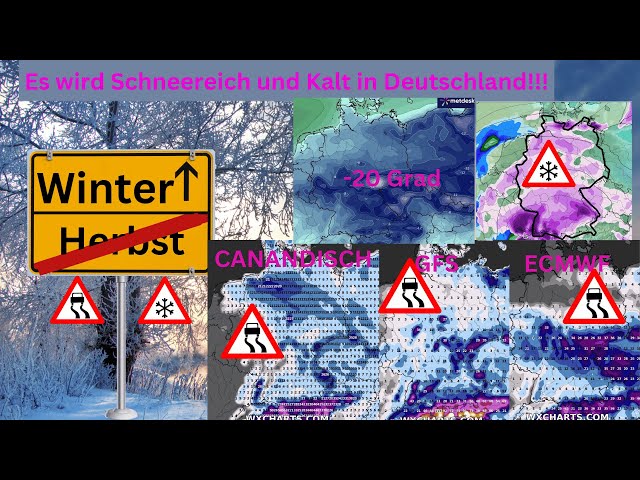
Wetter Winter 2023/23 refers back to the meteorological predictions and observations of elevated precipitation through the winter season of 2023/2024 in varied areas all over the world. This features a greater probability of rainfall and snowfall, probably resulting in wetter situations in comparison with earlier years.
The prevalence of a wetter winter can have vital implications. It might probably have an effect on agriculture, transportation, infrastructure, and ecosystems. For example, elevated rainfall can result in flooding, waterlogging, and landslides, posing dangers to communities and infrastructure. Then again, sufficient snowfall can replenish water assets, help winter recreation actions, and profit ecosystems depending on snowpack.
Understanding and getting ready for wetter winter situations is essential for varied stakeholders, together with authorities businesses, emergency responders, companies, and people. Correct climate forecasting, well timed warnings, and proactive measures might help mitigate potential dangers and maximize the advantages related to a wetter winter.
Wetter Winter 2023/23
Understanding the multifaceted elements of “wetter winter 2023/23” is crucial for efficient preparation and response. Key elements to think about embody:
- Precipitation patterns: Elevated rainfall and snowfall, geographic distribution, depth, and period.
- Temperature fluctuations: Deviations from regular winter temperatures, affect on precipitation sorts and snowpack.
- Infrastructure resilience: Vulnerability of roads, bridges, and different infrastructure to flooding and snow load.
- Flood dangers: Potential for flooding in low-lying areas, floodplains, and concrete environments.
- Water assets: Impression on water storage, groundwater recharge, and availability for varied makes use of.
- Ecosystem impacts: Results on wildlife, vegetation, and aquatic ecosystems, together with potential advantages and challenges.
- Agriculture implications: Affect on crop yields, livestock administration, and agricultural practices.
- Transportation disruptions: Challenges for street, rail, and air transportation as a result of snow, ice, and flooding.
- Well being and security issues: Hypothermia, frostbite, and different cold-related well being dangers, in addition to potential impacts on air high quality.
These elements are interconnected and might affect one another. For example, elevated precipitation can result in flooding, affecting infrastructure and transportation, whereas additionally impacting water assets and ecosystems. Understanding these connections is essential for growing complete methods to mitigate dangers and leverage the potential advantages of a wetter winter.
Precipitation patterns
Precipitation patterns play an important function in shaping the traits of a “wetter winter 2023/23.” Elevated rainfall and snowfall, together with their geographic distribution, depth, and period, are key parts that outline the character and extent of this climate phenomenon.
Firstly, the quantity and depth of precipitation straight affect the severity of a wetter winter. Heavy rainfall can result in flooding, waterlogging, and landslides, whereas intense snowfall may cause disruptions, energy outages, and roof collapses. The geographic distribution of precipitation additionally issues, as some areas could expertise extra vital impacts than others. For example, areas vulnerable to coastal storms could face elevated dangers of flooding and storm surges, whereas mountainous areas could obtain greater snowfall, affecting transportation and tourism.
The period of precipitation is one other essential issue. Extended rainfall or snowfall can exacerbate the consequences of a wetter winter. Steady rainfall can saturate the bottom, rising the danger of flooding, whereas persistent snowfall can accumulate and result in hazardous street situations and infrastructure harm. Understanding the period of precipitation helps authorities and people put together for potential challenges and take applicable measures to mitigate dangers.
In abstract, precipitation patterns are a basic facet of “wetter winter 2023/23.” Elevated rainfall and snowfall, together with their geographic distribution, depth, and period, form the character and severity of this climate phenomenon. Analyzing these patterns is essential for forecasting, preparedness, and response efforts, enabling communities to reduce dangers and adapt to the challenges of a wetter winter.
Temperature fluctuations
Temperature fluctuations throughout winter play a big function in shaping the traits of “wetter winter 2023/23.” Deviations from regular winter temperatures affect precipitation sorts and snowpack, affecting the severity and nature of this climate phenomenon.
Hotter winter temperatures can result in a shift in precipitation sorts. As an alternative of snow, areas could expertise extra rainfall, lowering snowpack and affecting winter actions similar to snowboarding and snowboarding. Hotter temperatures can even trigger snow to soften extra rapidly, rising the danger of flooding and waterlogging. Conversely, colder winter temperatures favor snowfall, resulting in elevated snowpack and potential transportation disruptions.
The affect of temperature fluctuations on snowpack is especially essential. Snowpack serves as a pure reservoir, storing water that’s step by step launched throughout spring and summer season. Diminished snowpack as a result of hotter temperatures can have an effect on water availability for varied functions, together with ingesting water, irrigation, and hydropower era. Furthermore, modifications in snowpack can affect ecosystems, as many crops and animals depend on snow cowl for insulation and safety.
Understanding the connection between temperature fluctuations and precipitation sorts and snowpack is essential for predicting and getting ready for the impacts of “wetter winter 2023/23.” Correct climate forecasting and local weather modeling assist authorities and people anticipate potential challenges, similar to flooding, transportation disruptions, and water shortages. By contemplating temperature fluctuations as a key element of a wetter winter, communities can develop methods to mitigate dangers and adapt to altering climate patterns.
Infrastructure resilience
The resilience of infrastructure performs an important function in mitigating the impacts of “wetter winter 2023/23.” Roads, bridges, and different infrastructure are significantly weak to flooding and snow load, posing challenges to transportation, security, and financial actions.
- Flooding: Elevated rainfall and potential flooding can overwhelm drainage methods and harm roads, bridges, and buildings. Flooding can even result in street closures, disrupting transportation and affecting provide chains and emergency companies.
- Snow load: Heavy snowfall can place vital weight on infrastructure, together with energy strains, communication towers, and roofs. This could trigger structural harm, energy outages, and transportation disruptions. Snow accumulation on roads can even create hazardous driving situations.
- Upkeep and preparedness: Guaranteeing infrastructure resilience includes common upkeep, upgrades, and proactive measures to face up to the challenges of “wetter winter 2023/23.” Correct drainage methods, snow removing tools, and emergency response plans are essential for minimizing harm and disruptions.
- Vulnerability evaluation: Figuring out weak infrastructure and prioritizing upgrades is crucial. This includes assessing elements such because the age and situation of infrastructure, flood danger zones, and snow load capability. Focused investments in resilience measures can considerably scale back the impacts of a wetter winter.
By understanding the vulnerabilities and taking steps to boost infrastructure resilience, communities can higher put together for and mitigate the potential disruptions and dangers related to “wetter winter 2023/23.” Prioritizing infrastructure upkeep, investing in upgrades, and implementing emergency response plans are very important for making certain the security and continuity of important companies throughout and after a wetter winter.
Flood dangers
The elevated precipitation related to “wetter winter 2023/23” poses a big flood danger to low-lying areas, floodplains, and concrete environments. As rainfall exceeds the capability of drainage methods and rivers, flooding can happen, resulting in extreme penalties.
Low-lying areas are significantly weak to flooding as they’re naturally vulnerable to water accumulation. When heavy rainfall saturates the bottom and overwhelms drainage methods, these areas can grow to be inundated, resulting in property harm, infrastructure disruption, and displacement of residents.
Floodplains, that are areas adjoining to rivers and streams, are additionally at excessive danger of flooding during times of heavy rainfall. As rivers overflow their banks, floodplains can grow to be submerged, leading to widespread flooding and harm to close by communities and infrastructure.
City environments face distinctive flood dangers because of the presence of impervious surfaces similar to buildings, roads, and parking tons. These surfaces stop water from infiltrating the bottom, rising runoff and exacerbating flooding. Furthermore, growing older infrastructure and insufficient drainage methods in city areas can additional contribute to flood dangers.
Understanding the connection between “wetter winter 2023/23” and flood dangers is essential for efficient preparation and mitigation. Figuring out weak areas, implementing flood management measures, and growing emergency response plans are important steps to cut back the impacts of flooding on communities and infrastructure.
Water assets
The “wetter winter 2023/23” phenomenon has a big affect on water assets, affecting water storage, groundwater recharge, and availability for varied makes use of, starting from home to industrial and agricultural functions.
Elevated precipitation throughout “wetter winter 2023/23” contributes to enhanced water storage in floor reservoirs, lakes, and aquifers. This replenishment of water assets is essential for sustaining water safety, particularly in areas vulnerable to drought or water shortage. The saved water could be utilized for ingesting, irrigation, hydropower era, and different functions, supporting financial actions and human well-being.
Moreover, “wetter winter 2023/23” performs a significant function in groundwater recharge. As rainwater and melted snow infiltrate the bottom, they replenish groundwater aquifers, which function a useful supply of water for communities and ecosystems. Groundwater recharge throughout a wetter winter offers a buffer towards intervals of low precipitation, making certain a extra dependable water provide all year long.
The elevated water availability related to “wetter winter 2023/23” has each optimistic and detrimental implications. On the one hand, it might probably result in improved water safety, lowered water stress, and enhanced agricultural productiveness. Then again, it might probably additionally improve the danger of flooding and waterlogging, which may harm infrastructure, disrupt transportation, and pose a risk to human security.
Understanding the connection between “wetter winter 2023/23” and water assets is crucial for efficient water administration and planning. Governments and water utilities can make the most of this information to optimize water storage and distribution methods, mitigate flood dangers, and make sure the sustainable use of water assets, significantly in areas the place water shortage is a urgent situation.
Ecosystem impacts
The phenomenon of “wetter winter 2023/23” presents a fancy interaction with varied parts of ecosystems, together with wildlife, vegetation, and aquatic environments. Understanding these impacts is essential for growing methods to mitigate potential challenges and harness alternatives for ecological resilience.
- Wildlife Variations: Wetter winters can considerably affect animal conduct and survival. Some species could profit from elevated water availability and vegetation development, whereas others could face challenges as a result of habitat alterations and meals shortage. Understanding species-specific responses is crucial for wildlife administration and conservation.
- Vegetation Dynamics: Elevated precipitation can stimulate plant development and alter vegetation communities. Wetlands and riparian zones could increase, offering new habitats for sure species. Nevertheless, extended flooding or waterlogging can even harm flowers and disrupt ecosystem steadiness.
- Aquatic Ecosystems: Wetter winters can have an effect on aquatic ecosystems in quite a few methods. Elevated runoff and flooding can alter water high quality, affecting fish populations and different aquatic organisms. Then again, greater water ranges can even create new habitats and help the restoration of degraded ecosystems.
- Lengthy-Time period Implications: The ecological impacts of “wetter winter 2023/23” can prolong past the fast season. Adjustments in vegetation and wildlife populations can have cascading results on ecosystem dynamics and biodiversity. Understanding these long-term implications is essential for sustainable land and water administration practices.
By inspecting the connections between “wetter winter 2023/23” and ecosystem impacts, stakeholders can develop knowledgeable methods to guard and improve ecological integrity. Balancing the potential advantages and challenges requires a collaborative strategy involving scientists, policymakers, and conservationists, making certain the well-being of each pure ecosystems and human communities.
Agriculture implications
The phenomenon of “wetter winter 2023/23” has vital implications for agriculture, influencing crop yields, livestock administration, and agricultural practices. Understanding these implications is essential for farmers, policymakers, and stakeholders concerned within the agricultural sector.
- Crop Yields: Wetter winters can affect crop yields in varied methods. Extreme rainfall and waterlogging can harm crops, scale back yields, and improve the danger of illnesses. Conversely, sufficient moisture can profit crops, particularly in areas that sometimes expertise dry winters.
- Livestock Administration: Wetter winters can pose challenges for livestock administration. Chilly and moist situations can improve the danger of hypothermia and different well being points in animals. Farmers might have to regulate their feeding and housing practices to make sure the well-being of their livestock.
- Agricultural Practices: Wetter winters can necessitate changes in agricultural practices. Farmers might have to switch planting and harvesting schedules, implement drainage measures, and take into account different crop varieties which might be extra immune to moist situations.
- Lengthy-Time period Impacts: The results of “wetter winter 2023/23” on agriculture can prolong past the fast season. Adjustments in soil moisture and nutrient availability can have long-term implications for soil well being and crop productiveness.
Recognizing the connections between “wetter winter 2023/23” and agriculture implications is crucial for growing adaptive methods and enhancing agricultural resilience. Farmers can make the most of climate forecasts and local weather information to make knowledgeable choices, modify their practices accordingly, and mitigate potential dangers related to wetter winters.
Transportation disruptions
The phenomenon of “wetter winter 2023/23” poses vital challenges for transportation methods, resulting in disruptions in street, rail, and air journey as a result of snow, ice, and flooding.
Elevated precipitation and snowfall could make roads hazardous, lowering visibility, inflicting slippery situations, and resulting in accidents. Heavy snowfall can even block roads, stranding vacationers and affecting provide chains. Equally, flooding can inundate roads and bridges, making them impassable and disrupting transportation networks.
Rail transportation can be affected by “wetter winter 2023/23.” Snow and ice can accumulate on tracks, inflicting delays, cancellations, and security issues. Excessive climate occasions, similar to blizzards and floods, can even harm rail infrastructure, additional disrupting rail companies.
Air transportation shouldn’t be resistant to the impacts of “wetter winter 2023/23.” Snow, ice, and fog can scale back visibility and create hazardous situations for takeoff and touchdown. Winter storms can even trigger airport closures and flight delays, affecting journey plans and disrupting enterprise operations.
Understanding the connection between “wetter winter 2023/23” and transportation disruptions is essential for making certain public security, sustaining environment friendly provide chains, and minimizing financial losses. Transportation authorities and infrastructure managers have to be ready for these challenges by implementing proactive measures similar to snow removing, ice management, and flood mitigation methods.
Well being and security issues
The phenomenon of “wetter winter 2023/23” brings consideration to numerous well being and security issues, significantly these associated to chilly climate publicity. Hypothermia, frostbite, and different cold-related well being dangers pose vital threats to people throughout prolonged intervals of chilly and moist situations.
Hypothermia happens when the physique loses warmth sooner than it might probably produce it, resulting in a dangerously low physique temperature. Signs of hypothermia embody shivering, confusion, slurred speech, and lack of coordination. If left untreated, hypothermia could be deadly.
Frostbite is one other severe concern throughout “wetter winter 2023/23.” It happens when physique tissues freeze, inflicting harm to the pores and skin, nerves, and underlying tissues. Frostbite can result in everlasting tissue harm and even amputation in extreme instances.
“Wetter winter 2023/23” additionally raises issues about air high quality. Elevated precipitation can entice pollution nearer to the bottom, resulting in greater concentrations of particulate matter and different air pollution. These pollution can exacerbate respiratory situations similar to bronchial asthma and bronchitis.
Understanding the connection between “wetter winter 2023/23” and well being and security issues is essential for people to take the mandatory precautions to guard themselves from cold-related sicknesses and poor air high quality. Carrying heat and waterproof clothes, avoiding extended publicity to chilly and moist situations, and being conscious of the signs of hypothermia and frostbite are important steps for staying secure throughout “wetter winter 2023/23.”
Wetter Winter 2023/23 FAQs
Because the phenomenon of “wetter winter 2023/23” positive aspects consideration, a number of continuously requested questions come up. This part goals to deal with widespread issues and misconceptions, offering informative solutions to boost understanding.
Query 1: What are the potential impacts of a wetter winter?
A wetter winter can deliver varied impacts, together with elevated flooding dangers, disruptions to transportation methods, and challenges for agriculture. It can be crucial for communities and people to pay attention to these potential impacts and take crucial precautions.
Query 2: How can we put together for a wetter winter?
Getting ready for a wetter winter includes proactive measures similar to monitoring climate forecasts, stocking up on important provides, making certain correct insulation and heating in properties, and having an emergency plan in place. Staying knowledgeable and being ready might help mitigate potential dangers.
Query 3: What are the well being and security issues related to a wetter winter?
Wetter winters can pose well being and security issues similar to hypothermia, frostbite, and respiratory points as a result of poor air high quality. It’s essential to take precautions towards cold-related sicknesses by carrying applicable clothes, avoiding extended publicity to chilly and moist situations, and sustaining good indoor air high quality.
Query 4: How does a wetter winter have an effect on ecosystems and wildlife?
Wetter winters can have each optimistic and detrimental results on ecosystems and wildlife. Elevated precipitation can help vegetation development and improve water assets, however it might probably additionally result in habitat alterations and challenges for some species. Understanding these impacts is crucial for growing methods to guard and protect ecosystems.
Query 5: What are the long-term implications of a wetter winter?
The long-term implications of a wetter winter can embody modifications in soil moisture and nutrient availability, which can have an effect on agricultural productiveness. Moreover, repeated moist winters can contribute to infrastructure deterioration and improve the danger of pure disasters. Contemplating these long-term results is essential for sustainable planning and adaptation.
Query 6: How can we mitigate the detrimental impacts of a wetter winter?
Mitigating the detrimental impacts of a wetter winter requires collaborative efforts. Governments, organizations, and people can implement measures similar to enhancing drainage methods, investing in resilient infrastructure, selling sustainable agricultural practices, and elevating consciousness about well being and security issues. By working collectively, we will scale back the dangers and challenges related to wetter winters and improve neighborhood resilience.
Understanding the varied elements of “wetter winter 2023/23” and addressing widespread issues via these FAQs empowers people and communities to organize, adapt, and reply successfully to this climate phenomenon.
Transition to the Subsequent Article Part: Exploring the advanced interaction between “wetter winter 2023/23” and its multifaceted impacts on varied sectors and elements of our lives.
Ideas for Navigating “Wetter Winter 2023/23”
Because the meteorological predictions point out an elevated probability of precipitation through the upcoming winter season, it’s prudent to undertake proactive measures to mitigate potential challenges and harness alternatives related to “wetter winter 2023/23.”
Tip 1: Monitor climate forecasts and heed warnings: Keep knowledgeable about climate situations via dependable sources, similar to native information or meteorological businesses. Adhere to official advisories and warnings concerning heavy rainfall, snowfall, or different hazardous climate occasions.
Tip 2: Put together an emergency package: Assemble an emergency package containing important provides similar to non-perishable meals, water, a first-aid package, flashlights, batteries, and a transportable radio. Preserve this package readily accessible in case of energy outages or different emergencies.
Tip 3: Guarantee correct residence insulation and heating: Examine your private home’s insulation and heating methods to make sure they’re sufficient. Seal any gaps or cracks round home windows and doorways to forestall chilly air from getting into. Think about using weatherstripping or caulking to enhance insulation.
Tip 4: Put together your car for winter driving: Equip your car with winter tires or all-season tires with good tread. Preserve an emergency package in your automotive, together with gadgets similar to jumper cables, a flashlight, and a blanket. Be cautious whereas driving in snowy or icy situations and permit further time for journey.
Tip 5: Defend towards cold-related well being dangers: Costume warmly in layers when venturing outside. Put on a hat, gloves, and scarf to cowl uncovered pores and skin. Pay attention to the signs of hypothermia and frostbite, and search medical consideration if crucial.
Tip 6: Keep knowledgeable about native situations and closures: Monitor native information and official bulletins for info on street closures, faculty cancellations, or different disruptions attributable to winter climate. Plan different routes or make crucial changes to your schedule.
Tip 7: Be neighborly and test on weak people: Prolong a serving to hand to aged neighbors or these with restricted mobility. Verify on their well-being and supply help with duties similar to shoveling snow or operating errands.
Tip 8: Think about the environmental implications: Be aware of the potential environmental impacts of a wetter winter. Scale back your vitality consumption through the use of energy-efficient home equipment and lighting. Think about using public transportation or carpooling to reduce your carbon footprint.
By following the following pointers, people and communities can improve their preparedness and resilience throughout “wetter winter 2023/23.” Embracing a proactive strategy will assist mitigate dangers, guarantee security, and maximize the potential advantages related to this climate phenomenon.
Transition to the Article’s Conclusion: Emphasizing the collective accountability and shared dedication to navigating “wetter winter 2023/23” efficiently, fostering a way of unity and preparedness.
Conclusion
The multifaceted exploration of “wetter winter 2023/23” underscores the significance of preparedness, adaptability, and collective accountability. Understanding the potential impacts and challenges related to elevated precipitation through the upcoming winter season empowers people and communities to take proactive measures to mitigate dangers and harness alternatives.
As we navigate the complexities of “wetter winter 2023/23,” it’s important to recollect our shared dedication to making sure the security and well-being of all. By embracing a spirit of collaboration and mutual help, we will collectively overcome the challenges and emerge stronger as a society. Allow us to strategy this winter season with a renewed sense of resilience, willpower, and unity, working collectively to create a optimistic and memorable expertise amidst the wetter situations.
Youtube Video: