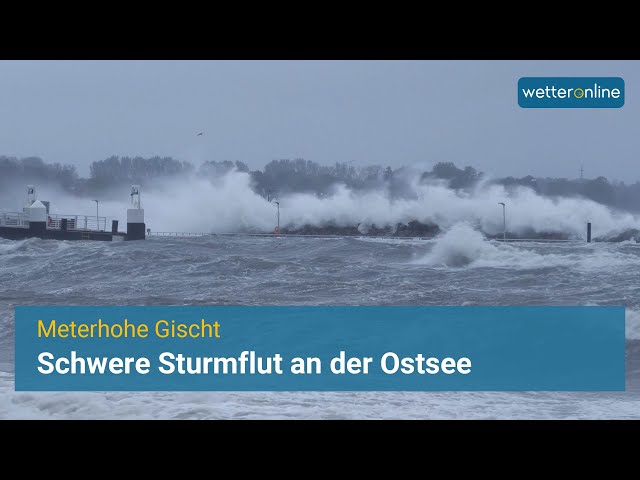
Wetter an der Ostsee, that means “climate on the Baltic Sea” in German, refers back to the weather conditions skilled within the areas surrounding the Baltic Sea. It encompasses a variety of climate patterns, influenced by the ocean’s presence, continental air plenty, and the general atmospheric circulation.
The Baltic Sea’s distinctive geography and site considerably affect its climate. Its semi-enclosed nature, surrounded by landmasses, creates a definite microclimate that differs from the open ocean. The ocean’s comparatively shallow depth permits it to heat and funky extra quickly, influencing the temperature and humidity of the encompassing areas. Moreover, the Baltic Sea’s location on the crossroads of various air plenty, together with maritime and continental influences, ends in a dynamic and variable climate system.
Understanding the climate patterns of the Baltic Sea area is crucial for varied causes. Coastal communities depend on correct climate forecasts for maritime actions, reminiscent of transport, fishing, and tourism. Farmers and agriculturalists want to pay attention to climate circumstances to plan their operations and shield their crops. Moreover, climate patterns considerably affect the area’s ecology, affecting wildlife, vegetation, and the general environmental stability.
Wetter an der Ostsee
Wetter an der Ostsee, or climate on the Baltic Sea, encompasses varied important elements that form the area’s local weather and affect human actions.
- Geography: Baltic Sea’s distinctive geography influences climate patterns.
- Local weather: Temperate, influenced by maritime and continental air plenty.
- Temperature: Reasonable, with seasonal differences and sea affect.
- Precipitation: Reasonable to excessive, with regional variations.
- Wind: Westerly winds dominate, affecting coastal areas.
- Storms: Occasional storms, together with cyclones and thunderstorms.
- Fog: Frequent throughout sure seasons, impacting visibility.
- Local weather Change: Rising temperatures and altering precipitation patterns noticed.
These key elements are interconnected and affect one another. For example, the Baltic Sea’s geography impacts its local weather, which in flip influences temperature, precipitation, and wind patterns. Understanding these elements is essential for climate forecasting, maritime actions, agriculture, and environmental administration within the Baltic Sea area.
Geography
The Baltic Sea’s distinctive geography considerably influences climate patterns within the area, shaping the “wetter an der Ostsee” (climate on the Baltic Sea). Its semi-enclosed nature, surrounded by landmasses, creates a definite microclimate that differs from the open ocean. The ocean’s comparatively shallow depth permits it to heat and funky extra quickly, influencing the temperature and humidity of the encompassing areas.
Moreover, the Baltic Sea’s location on the crossroads of various air plenty, together with maritime and continental influences, ends in a dynamic and variable climate system. Westerly winds, carrying moist air from the Atlantic Ocean, ceaselessly carry precipitation to the area. In distinction, chilly and dry continental air plenty from the east can result in clear skies and chilly temperatures, particularly throughout winter.
Understanding the connection between the Baltic Sea’s geography and climate patterns is crucial for varied sensible purposes. Coastal communities depend on correct climate forecasts to make sure security and plan maritime actions, reminiscent of transport, fishing, and tourism. Farmers and agriculturalists want to pay attention to climate circumstances to optimize crop manufacturing and shield their livelihoods. Moreover, information of climate patterns is essential for environmental administration, together with coastal safety, water useful resource administration, and conservation efforts.
Local weather
The local weather of the Baltic Sea area is temperate, characterised by average temperatures and a stability between maritime and continental influences. This distinctive local weather considerably shapes the “wetter an der Ostsee” (climate on the Baltic Sea) and performs an important position in shaping the area’s climate patterns, ecosystems, and human actions.
- Maritime Affect: The Baltic Sea’s proximity to the Atlantic Ocean brings in moist air from the west, leading to frequent precipitation and average temperatures all year long. This maritime affect is especially pronounced in coastal areas, the place the moderating impact of the ocean helps to stabilize temperatures and cut back excessive climate occasions.
The temperate local weather and the interaction between maritime and continental air plenty create a dynamic and variable climate system within the Baltic Sea area. Understanding this advanced local weather is crucial for varied sensible purposes, together with climate forecasting, maritime actions, agriculture, and environmental administration.
Temperature
Temperature is an important side of “wetter an der Ostsee” (climate on the Baltic Sea), influencing climate patterns, ecosystems, and human actions within the area. The Baltic Sea’s distinctive geography and site end in average temperatures, with distinct seasonal differences and important sea affect.
- Seasonal Variations: The Baltic Sea area experiences 4 distinct seasons, every with its attribute temperature vary. Winters are typically chilly, with common temperatures under freezing in lots of areas. Summers are delicate to heat, with common temperatures reaching into the 20s Celsius (60s Fahrenheit). Spring and autumn function transition seasons, with temperatures step by step altering between the extremes of winter and summer season.
- Maritime Affect: The Baltic Sea’s proximity to the Atlantic Ocean has a moderating impact on temperatures, particularly in coastal areas. The ocean absorbs warmth throughout summer season and releases it throughout winter, serving to to stabilize temperatures and cut back excessive temperature fluctuations. This maritime affect is especially evident within the southern and western elements of the Baltic Sea area.
- Continental Affect: The Baltic Sea can also be influenced by continental air plenty, notably throughout winter. These chilly, dry air plenty can carry durations of sub-zero temperatures, particularly within the japanese and inland areas of the area. The interaction between maritime and continental air plenty creates a dynamic and variable temperature sample all year long.
- Native Elements: Along with the overall temperature patterns, native components reminiscent of altitude, distance from the coast, and topography may affect temperatures. For instance, increased altitudes are typically cooler, whereas areas near the coast usually expertise milder temperatures as a result of moderating impact of the ocean.
Understanding the temperature patterns and their variations is crucial for varied sensible purposes, together with agriculture, tourism, vitality planning, and local weather change adaptation. By contemplating the interaction between seasonal differences, maritime and continental influences, and native components, stakeholders could make knowledgeable choices and put together for the altering temperature circumstances within the “wetter an der Ostsee” area.
Precipitation
Precipitation is a key part of “wetter an der Ostsee” (climate on the Baltic Sea), influencing climate patterns, ecosystems, and human actions within the area. The Baltic Sea’s distinctive geography and site end in average to excessive precipitation ranges, with distinct regional variations.
The first supply of precipitation within the Baltic Sea area is the moisture carried by westerly winds from the Atlantic Ocean. As these winds transfer throughout the ocean, they cool and condense, resulting in the formation of clouds and precipitation. Coastal areas typically obtain extra precipitation than inland areas, as a result of elevated publicity to moisture-laden winds.
Regional variations in precipitation are influenced by a number of components, together with distance from the coast, altitude, and native topography. For instance, the western and southern coasts of the Baltic Sea obtain increased precipitation in comparison with the japanese and northern coasts. It is because the prevailing westerly winds carry extra moisture to the western and southern areas.
Understanding the precipitation patterns and their variations is crucial for varied sensible purposes, together with water useful resource administration, agriculture, and flood prevention. By contemplating the regional variations and the components that affect precipitation, stakeholders could make knowledgeable choices and put together for altering precipitation circumstances within the “wetter an der ostsee” area.
In abstract, precipitation is an important side of “wetter an der Ostsee,” shaping climate patterns, ecosystems, and human actions within the area. The average to excessive precipitation ranges, mixed with regional variations, spotlight the dynamic and numerous nature of the Baltic Sea’s climate system.
Wind
Within the context of “wetter an der Ostsee” (climate on the Baltic Sea), the prevailing westerly winds play a major position in shaping climate patterns and influencing coastal areas. These winds, originating from the Atlantic Ocean, carry moisture and contribute to the area’s average to excessive precipitation ranges. Because the westerly winds transfer throughout the Baltic Sea, they work together with the ocean’s floor, transferring vitality and moisture to the environment.
The affect of westerly winds is especially pronounced in coastal areas, the place they convey frequent precipitation within the type of rain or snow, relying on the season. The moisture-laden winds contribute to the area’s lush vegetation and help numerous ecosystems alongside the coastlines. Moreover, the robust winds can generate waves and currents, influencing coastal erosion, sediment transport, and total marine dynamics.
Understanding the dominance of westerly winds and their results on coastal areas is crucial for varied sensible purposes, together with maritime actions, coastal planning, and climate forecasting. Sailors and fishermen depend on correct wind forecasts to make sure security and optimize their operations. Coastal communities want to think about the affect of westerly winds on infrastructure, erosion management measures, and tourism. Furthermore, wind vitality tasks can profit from understanding the prevailing wind patterns to maximise vitality technology.
In abstract, the westerly winds that dominate “wetter an der Ostsee” are an important part of the area’s climate system, shaping precipitation patterns, influencing coastal dynamics, and impacting human actions within the Baltic Sea area.
Storms
Storms, together with cyclones and thunderstorms, are occasional however impactful occasions that form the “wetter an der Ostsee” (climate on the Baltic Sea) and pose important challenges to human actions within the area. Understanding the character and traits of those storms is essential for catastrophe preparedness, danger mitigation, and making certain the protection of coastal communities.
- Cyclones: Cyclones are large-scale, rotating storms that type over heat ocean waters. They carry robust winds, heavy rainfall, and storm surges, which may trigger intensive injury to coastal infrastructure and ecosystems. The Baltic Sea area is often affected by extratropical cyclones, which may carry excessive winds and heavy precipitation, resulting in flooding and coastal erosion.
- Thunderstorms: Thunderstorms are characterised by intense rainfall, lightning, and thunder. Whereas much less extreme than cyclones, thunderstorms can nonetheless trigger localized injury and disruption. They’re widespread through the summer season months within the Baltic Sea area and might carry sudden downpours, hail, and robust winds.
Storms and their related hazards pose dangers to navigation, coastal infrastructure, and human security. Understanding the frequency, depth, and potential impacts of those occasions is crucial for growing efficient early warning methods, evacuation plans, and coastal administration methods. By finding out the dynamics of storms within the context of “wetter an der Ostsee,” scientists and policymakers can contribute to lowering the dangers and enhancing the resilience of coastal communities within the Baltic Sea area.
Fog
Fog is a typical climate phenomenon that may have a major affect on visibility, notably in maritime environments. Within the context of “wetter an der Ostsee” (climate on the Baltic Sea), fog is a recurring incidence throughout sure seasons and might pose challenges to navigation and different human actions within the area.
- Diminished Visibility: Fog reduces visibility by scattering and absorbing mild, making it tough to see objects at a distance. This may be notably hazardous for ships and boats navigating the Baltic Sea, as it might probably result in collisions and groundings. Diminished visibility may have an effect on different actions reminiscent of fishing, leisure boating, and coastal tourism.
- Seasonal Incidence: Fog is commonest through the spring and autumn months within the Baltic Sea area. Throughout these seasons, the temperature distinction between the ocean and the air is commonly better, creating circumstances favorable for fog formation. Fog may happen through the summer season months, particularly within the early morning or late night when the air is cooler and extra humid.
Understanding the incidence and conduct of fog is essential for making certain security and effectivity in maritime actions. Climate forecasts and navigation methods have to keep in mind the potential for fog and supply well timed warnings to mariners. Coastal communities and infrastructure may also be tailored to mitigate the impacts of fog, reminiscent of by utilizing fog detection methods and implementing acceptable security protocols.
Local weather Change
Local weather change is having a major affect on the “wetter an der Ostsee” (climate on the Baltic Sea), resulting in rising temperatures and altering precipitation patterns within the area. These modifications are already being noticed and are anticipated to grow to be extra pronounced sooner or later.
Rising temperatures are inflicting the Baltic Sea to heat, which is resulting in modifications within the area’s climate patterns. Hotter temperatures are leading to extra frequent and intense storms, in addition to modifications in precipitation patterns. For instance, the area is experiencing extra excessive rainfall occasions, in addition to longer durations of drought.
These modifications in climate patterns are having a major affect on the Baltic Sea ecosystem, in addition to on human actions within the area. For instance, the warming waters are inflicting modifications in fish populations, and the extra frequent and intense storms are inflicting injury to coastal infrastructure.
Understanding the connection between local weather change and the “wetter an der Ostsee” is vital for growing adaptation and mitigation methods. By understanding how local weather change is affecting the area’s climate patterns, stakeholders can take steps to cut back the dangers and put together for the longer term.
FAQs on “Wetter an der Ostsee” (Climate on the Baltic Sea)
This part addresses ceaselessly requested questions concerning the climate within the Baltic Sea area, offering concise and informative solutions.
Query 1: What are the everyday climate patterns within the Baltic Sea area?
Reply: The Baltic Sea area experiences a temperate local weather, influenced by each maritime and continental air plenty. This ends in average temperatures, with seasonal differences. Precipitation is average to excessive, with regional variations. Westerly winds dominate, affecting coastal areas.
Query 2: How does the Baltic Sea’s geography affect its climate?
Reply: The Baltic Sea’s distinctive geography, as a semi-enclosed sea surrounded by landmasses, creates a definite microclimate. Its shallow depth permits it to heat and funky quickly, affecting the temperature and humidity of the encompassing areas. Moreover, its location on the crossroads of various air plenty ends in a dynamic and variable climate system.
Query 6: What assets can be found for climate forecasting within the Baltic Sea area?
Reply: A number of nationwide meteorological institutes and worldwide organizations present climate forecasts for the Baltic Sea area. These assets make the most of superior climate fashions and observations to ship correct and well timed forecasts.
In abstract, understanding the climate patterns of the Baltic Sea area is essential for varied sectors, together with maritime actions, agriculture, and environmental administration. By accessing dependable climate forecasts and staying knowledgeable concerning the newest climate circumstances, stakeholders could make knowledgeable choices and guarantee security and effectivity of their operations.
Transitioning to the subsequent article part: This concludes our exploration of ceaselessly requested questions on “wetter an der Ostsee.” For additional insights and detailed info, please confer with the great sections that comply with.
Climate Suggestions for the Baltic Sea Area (“Wetter an der Ostsee”)
Navigating the climate circumstances within the Baltic Sea area requires preparation and consciousness. Listed below are some important ideas to make sure security and luxury throughout your keep:
Tip 1: Examine the climate forecast: Earlier than embarking on any out of doors actions or seafaring expeditions, seek the advice of dependable climate forecasts to remain knowledgeable concerning the newest circumstances and potential modifications.
Tip 2: Be ready for altering circumstances: The Baltic Sea area’s climate will be unpredictable, so pack layers of clothes to adapt to sudden shifts in temperature or precipitation.
Tip 3: Respect the water’s energy: The Baltic Sea could seem calm, however robust currents and sudden storms can happen. All the time train warning when swimming, boating, or partaking in water sports activities.
Tip 4: Keep seen: If you happen to’re out on the water, put on shiny colours or reflective gear to boost your visibility, particularly throughout foggy or low-light circumstances.
Tip 5: Search shelter throughout storms: Within the occasion of a storm, search fast shelter in a sturdy constructing or designated secure space. Keep away from open areas, tall constructions, and our bodies of water.
Tip 6: Keep knowledgeable about native advisories: Take note of native information and climate updates for any warnings or advisories issued by authorities. These can present invaluable info on potential hazards or closures.
By following the following pointers, you’ll be able to enhance your security and preparedness when experiencing the “wetter an der Ostsee.” Bear in mind to remain alert, adapt to altering circumstances, and respect the facility of nature.
Conclusion: Embracing the following pointers won’t solely improve your enjoyment of the Baltic Sea area but additionally guarantee a accountable and knowledgeable strategy to the world’s climate.
Conclusion
Our exploration of “wetter an der Ostsee” has illuminated the intricate interaction of geography, local weather, and human actions within the Baltic Sea area. The distinctive traits of the Baltic Sea, its temperate local weather, and the affect of maritime and continental air plenty form the dynamic climate patterns skilled within the area.
Understanding the climate patterns of the Baltic Sea is essential for varied sectors, together with maritime actions, agriculture, and environmental administration. Correct climate forecasts and information of seasonal differences are important for security, effectivity, and sustainability. Because the local weather continues to alter, monitoring and adapting to evolving climate patterns will grow to be more and more essential.
By embracing a accountable strategy to the “wetter an der Ostsee,” we are able to mitigate dangers, improve resilience, and proceed to understand the wonder and variety of this charming area. Allow us to all attempt to be told, ready, and respectful of the Baltic Sea’s ever-changing climate.
Youtube Video: