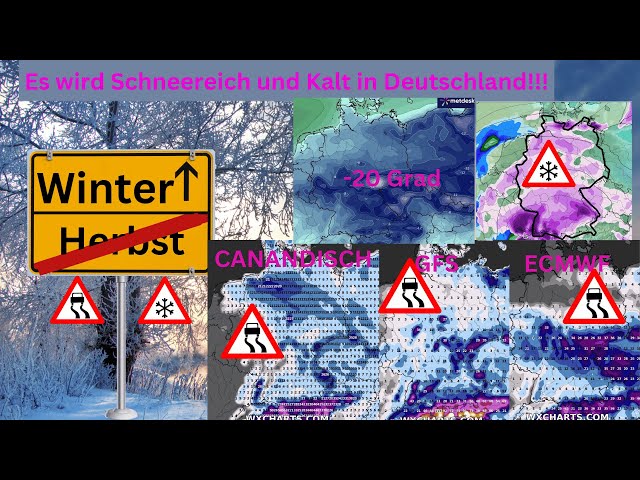
The time period “winter 2023/23 wetter” refers back to the expectation of wetter-than-usual circumstances throughout the winter season of 2023/2024. This forecast is predicated on numerous meteorological elements and local weather fashions that predict elevated precipitation ranges in lots of areas around the globe.
Wetter winters can have vital impacts on ecosystems, agriculture, and human actions. Elevated precipitation can result in flooding, landslides, and different pure hazards. Nevertheless, it may possibly additionally replenish water reservoirs, enhance soil moisture, and help plant progress in some areas. Traditionally, wetter winters have been related to modifications in climate patterns and local weather variability, together with the affect of El Nio-Southern Oscillation (ENSO) and different local weather cycles.
Understanding the potential impacts of “winter 2023/23 wetter” is essential for catastrophe preparedness, water administration, and agricultural planning. Because the winter season approaches, people and organizations ought to keep knowledgeable about climate forecasts and take vital precautions to mitigate potential dangers and optimize alternatives related to wetter circumstances.
winter 2023/23 wetter
The time period “winter 2023/23 wetter” encompasses numerous features which can be essential to understanding its potential impacts and implications. Listed here are 9 key features to think about:
- Precipitation patterns: Anticipated enhance in rainfall and snowfall.
- Temperature variations: Potential for milder temperatures and decreased snowfall in some areas.
- Pure hazards: Elevated threat of flooding, landslides, and avalanches.
- Water sources: Replenishment of water reservoirs and improved soil moisture.
- Agriculture: Affect on crop yields and livestock administration.
- Ecosystems: Modifications in plant and animal habitats.
- Infrastructure: Potential injury to roads, bridges, and buildings.
- Financial impacts: Disruptions to transportation, tourism, and different industries.
- Local weather variability: A part of ongoing local weather patterns and variability, together with ENSO influences.
These features are interconnected and might have cascading results. For example, elevated precipitation can result in flooding, affecting infrastructure, agriculture, and ecosystems. Hotter temperatures could cut back snowpack, impacting water sources and winter recreation. Understanding these interconnections is essential for creating efficient adaptation and mitigation methods.
Precipitation patterns
The anticipated enhance in rainfall and snowfall throughout “winter 2023/23 wetter” is an important facet to think about, as it may possibly have vital impacts on numerous sectors and ecosystems. Precipitation patterns play an important position in shaping the traits of winter, influencing temperature variations, water availability, and pure hazards.
Elevated precipitation can result in heavier rainfall occasions, leading to flooding and waterlogging in low-lying areas. This will disrupt transportation infrastructure, injury property, and pose dangers to human security. Conversely, elevated snowfall can result in snowstorms and blizzards, affecting visibility, journey, and out of doors actions. Snow accumulation can even put stress on infrastructure, akin to energy strains and buildings, and enhance the chance of avalanches in mountainous areas.
Understanding the anticipated precipitation patterns is important for catastrophe preparedness and threat mitigation. Correct climate forecasts and early warning methods may also help communities put together for potential flooding or snowstorms, enabling them to take vital precautions and decrease their impacts. Moreover, long-term local weather projections can inform infrastructure design, water administration methods, and agricultural planning, guaranteeing resilience to altering precipitation patterns sooner or later.
Temperature variations
The potential for milder temperatures and decreased snowfall in some areas throughout “winter 2023/23 wetter” is a crucial facet to think about, as it may possibly affect numerous features of the winter season and have implications for ecosystems and human actions.
Milder temperatures may result from modifications in atmospheric circulation patterns and the affect of heat ocean currents. Lowered snowfall could happen attributable to increased temperatures and modifications in precipitation patterns. These variations can have an effect on the severity and period of winter circumstances, resulting in shorter durations of snow cowl and ice formation.
Understanding these temperature variations is essential for a number of causes. Firstly, it may possibly assist us anticipate potential impacts on infrastructure, transportation, and vitality consumption. Milder temperatures can cut back the necessity for heating, whereas decreased snowfall can enhance highway circumstances and reduce the chance of snow-related accidents.
Secondly, temperature variations can affect water availability and ecosystems. Lowered snowfall can impression water storage in snowpack, affecting spring runoff and water provides for agriculture, hydropower, and ecosystems.
Recognizing the connection between temperature variations and “winter 2023/23 wetter” is important for efficient planning and adaptation. By contemplating these elements, communities and organizations can develop methods to mitigate potential dangers and optimize alternatives related to altering winter circumstances.
Pure hazards
The connection between “Pure hazards: Elevated threat of flooding, landslides, and avalanches” and “winter 2023/23 wetter” is critical, as elevated precipitation and moisture ranges throughout the winter season can exacerbate the incidence and severity of those pure hazards.
Flooding is a significant concern throughout “winter 2023/23 wetter” attributable to extreme rainfall and snowmelt. Heavy rainfall can overwhelm drainage methods and trigger rivers and streams to overflow, resulting in flooding in low-lying areas and alongside riverbanks. Saturated soil circumstances can even enhance the chance of landslides, particularly in areas with steep slopes or unstable terrain. Landslides can injury infrastructure, block roads, and pose dangers to human security.
Moreover, elevated snowfall and snowpack can contribute to avalanches, notably in mountainous areas. Avalanches happen when giant plenty of snow slide down slopes, typically triggered by elements akin to heavy snowfall, wind, or human exercise. Avalanches may cause vital injury to infrastructure, transportation routes, and buildings, and pose dangers to out of doors lovers and communities dwelling in avalanche-prone areas.
Understanding the connection between “Pure hazards: Elevated threat of flooding, landslides, and avalanches” and “winter 2023/23 wetter” is essential for catastrophe preparedness and threat mitigation. Correct climate forecasts and early warning methods may also help communities put together for potential hazards, enabling them to take vital precautions and decrease their impacts. Moreover, long-term local weather projections can inform land-use planning, infrastructure design, and emergency response methods, guaranteeing resilience to altering climate patterns and pure hazards sooner or later.
Water sources
The connection between “Water sources: Replenishment of water reservoirs and improved soil moisture” and “winter 2023/23 wetter” is critical, as elevated precipitation throughout the winter season can contribute to the replenishment of water reservoirs and the development of soil moisture ranges.
Water reservoirs, akin to lakes, rivers, and aquifers, play an important position in water storage and provide. Throughout “winter 2023/23 wetter,” elevated precipitation within the type of rain and snow can result in increased water ranges in these reservoirs. This replenishment is important for numerous functions, together with ingesting water provide, irrigation, hydropower technology, and recreation.
Improved soil moisture is one other vital facet of “Water sources: Replenishment of water reservoirs and improved soil moisture.” Elevated precipitation can infiltrate the bottom, enhancing soil moisture ranges and supporting plant progress. Satisfactory soil moisture is essential for agriculture, because it ensures optimum circumstances for crop manufacturing and reduces the chance of drought stress.
Understanding the connection between “Water sources: Replenishment of water reservoirs and improved soil moisture” and “winter 2023/23 wetter” is important for water administration and agricultural planning. By contemplating the potential impacts of elevated precipitation on water sources, communities and organizations can develop methods to optimize water storage, allocation, and conservation measures.
Agriculture
The connection between “Agriculture: Affect on crop yields and livestock administration.” and “winter 2023/23 wetter” is critical, as elevated precipitation and modifications in temperature throughout the winter season can have substantial implications for agricultural practices and productiveness.
- Crop yields: Elevated precipitation can profit crop yields in some areas by offering ample moisture for plant progress. Nevertheless, extreme rainfall or flooding can injury crops, resulting in decreased yields. Modifications in temperature can even have an effect on crop progress and growth, influencing yields.
- Livestock administration: Wetter winters can impression livestock administration in a number of methods. Heavy snowfall and chilly temperatures can enhance the chance of hypothermia and different well being points for livestock, requiring further care and shelter. Moist circumstances can even have an effect on pasture availability and forage high quality, doubtlessly resulting in challenges in sustaining livestock well being and productiveness.
- Soil circumstances: Elevated precipitation can impression soil circumstances, affecting agricultural practices. Saturated soils can hinder discipline operations, akin to planting, harvesting, and transportation of agricultural merchandise. Soil erosion is one other concern, as heavy rainfall can result in nutrient loss and degradation of soil high quality.
- Water administration: Wetter winters can pressure water administration methods in agricultural areas. Extra water can overwhelm drainage methods, resulting in waterlogging and elevated threat of flooding. Efficient water administration methods are essential to mitigate these impacts and guarantee optimum crop manufacturing.
Understanding the connection between “Agriculture: Affect on crop yields and livestock administration.” and “winter 2023/23 wetter” is important for farmers and agricultural stakeholders. By contemplating the potential impacts of elevated precipitation and temperature variations, they will develop adaptation methods to reduce dangers and optimize agricultural productiveness throughout the winter season.
Ecosystems
The connection between “Ecosystems: Modifications in plant and animal habitats.” and “winter 2023/23 wetter” is critical, as elevated precipitation and modifications in temperature throughout the winter season can have substantial implications for the composition, construction, and dynamics of ecosystems. These modifications can impression the distribution, abundance, and habits of plant and animal species.
- Habitat suitability: Elevated precipitation and modifications in temperature can alter the suitability of habitats for various species. Some species could thrive in wetter circumstances, whereas others could wrestle to adapt. Modifications in vegetation cowl and meals availability can even impression habitat suitability for numerous animals.
- Species distribution: Wetter winters can affect the distribution of plant and animal species. Some species could broaden their ranges into areas that turn into extra favorable attributable to elevated precipitation, whereas others could expertise vary contractions or displacement attributable to habitat loss or modifications in environmental circumstances.
- Species interactions: Modifications in plant and animal habitats can have an effect on species interactions, akin to competitors, predation, and mutualism. Wetter circumstances could favor sure species over others, resulting in shifts in group composition and ecosystem dynamics.
- Ecosystem companies: Modifications in plant and animal habitats can impression the supply of ecosystem companies, akin to carbon sequestration, water purification, and pollination. Wetter winters could improve or diminish the capability of ecosystems to supply these companies, relying on the precise modifications that happen.
Understanding the connection between “Ecosystems: Modifications in plant and animal habitats.” and “winter 2023/23 wetter” is important for ecologists, conservationists, and land managers. By contemplating the potential impacts of elevated precipitation and temperature variations on ecosystems, they will develop methods to mitigate adverse results, shield weak species and habitats, and promote the resilience of ecosystems within the face of fixing environmental circumstances.
Infrastructure
The connection between “Infrastructure: Potential injury to roads, bridges, and buildings.” and “winter 2023/23 wetter” is critical, as elevated precipitation and modifications in temperature throughout the winter season can result in numerous forms of injury to infrastructure, together with roads, bridges, and buildings.
Elevated precipitation, notably within the type of heavy rainfall or snowfall, can result in flooding and waterlogging. This will trigger injury to roads and bridges, in addition to to the foundations of buildings. In some circumstances, flooding can even result in the collapse of bridges and buildings, particularly if they aren’t correctly constructed or maintained.
Modifications in temperature, notably freeze-thaw cycles, can even injury infrastructure. When water freezes, it expands. If water seeps into cracks or crevices in roads, bridges, or buildings, after which freezes, it may possibly trigger the fabric to crack or break. This kind of injury might be notably problematic for roads and bridges, as it may possibly result in potholes and different hazards that may make them unsafe for journey.
Understanding the connection between “Infrastructure: Potential injury to roads, bridges, and buildings.” and “winter 2023/23 wetter” is important for infrastructure planners, engineers, and upkeep personnel. By contemplating the potential impacts of elevated precipitation and temperature variations, they will design and assemble infrastructure that’s extra resilient to those circumstances and fewer prone to be broken throughout the winter season.
Financial impacts
The connection between “Financial impacts: Disruptions to transportation, tourism, and different industries.” and “winter 2023/23 wetter” is critical, as elevated precipitation and modifications in temperature throughout the winter season can result in numerous financial impacts, together with disruptions to transportation, tourism, and different industries.
Elevated precipitation, notably within the type of heavy rainfall or snowfall, can result in flooding and waterlogging. This will disrupt transportation networks, together with roads, railways, and airports. Floods can wash out roads and bridges, making them impassable, and heavy snowfall could make roads and airports inaccessible. These disruptions may cause delays and cancellations of transportation companies, resulting in misplaced productiveness and financial losses.
Modifications in temperature, notably excessive chilly or warmth, can even disrupt transportation and different industries. Excessive chilly may cause delays and cancellations of flights and trains, in addition to making it tough to function equipment and gear outside. Excessive warmth can even result in disruptions in transportation and different industries, notably in areas that aren’t accustomed to such temperatures.
The tourism trade can be considerably impacted by “winter 2023/23 wetter.” Excessive climate occasions, akin to floods, storms, and heavy snowfall, can disrupt journey plans and make it tough or not possible for vacationers to achieve their locations. This will result in misplaced income for tourism companies, akin to resorts, eating places, and tour operators.
Understanding the connection between “Financial impacts: Disruptions to transportation, tourism, and different industries.” and “winter 2023/23 wetter” is important for companies, policymakers, and people. By contemplating the potential financial impacts of elevated precipitation and temperature variations, they will develop methods to mitigate these impacts and adapt to the altering local weather.
Local weather variability
The connection between “Local weather variability: A part of ongoing local weather patterns and variability, together with ENSO influences.” and “winter 2023/23 wetter” is critical, as local weather variability performs a significant position in shaping the traits and patterns of winter seasons, together with precipitation ranges and temperature variations.
- El Nio-Southern Oscillation (ENSO): ENSO is a significant local weather sample that entails periodic modifications within the temperature and circulation of the Pacific Ocean. El Nio occasions are characterised by unusually heat ocean temperatures within the central and jap tropical Pacific Ocean, whereas La Nia occasions are characterised by unusually cool ocean temperatures in the identical area. ENSO has a robust affect on international climate patterns, together with precipitation and temperature, and might have an effect on the severity and period of winter circumstances in numerous components of the world.
- North Atlantic Oscillation (NAO): The NAO is one other vital local weather sample that influences winter circumstances, notably within the North Atlantic area. The NAO is characterised by fluctuations within the distinction in atmospheric stress between the Icelandic Low and the Azores Excessive. Constructive phases of the NAO are related to milder and wetter winters in Europe, whereas adverse phases are related to colder and drier winters.
- Arctic Oscillation (AO): The AO is a local weather sample that describes the variation in atmospheric stress between the Arctic and mid-latitudes. Constructive phases of the AO are related to milder winters within the jap United States and Europe, whereas adverse phases are related to colder winters in these areas.
- Pacific Decadal Oscillation (PDO): The PDO is a local weather sample that describes the variation in sea floor temperatures within the North Pacific Ocean. Constructive phases of the PDO are related to hotter and wetter winters within the western United States, whereas adverse phases are related to colder and drier winters.
Understanding the connection between “Local weather variability: A part of ongoing local weather patterns and variability, together with ENSO influences.” and “winter 2023/23 wetter” is important for meteorologists and local weather scientists, because it allows them to make extra correct predictions about upcoming winter seasons and to supply early warnings of potential excessive climate occasions. Moreover, this understanding is vital for companies, policymakers, and people, because it permits them to make knowledgeable selections about the best way to put together for and adapt to altering winter circumstances.
FAQs about “winter 2023/23 wetter”
This part addresses steadily requested questions and misconceptions about “winter 2023/23 wetter,” offering concise and informative solutions.
Query 1: What’s “winter 2023/23 wetter”?
Reply: “Winter 2023/23 wetter” refers back to the expectation of wetter-than-usual circumstances throughout the winter season of 2023/2024, based mostly on meteorological forecasts and local weather fashions predicting elevated precipitation ranges in lots of areas around the globe.
Query 2: What are the potential impacts of “winter 2023/23 wetter”?
Reply: The potential impacts embrace elevated threat of flooding, landslides, and avalanches; modifications in plant and animal habitats; disruptions to transportation, tourism, and different industries; and impacts on crop yields and livestock administration.
Query 3: What causes “winter 2023/23 wetter”?
Reply: “Winter 2023/23 wetter” is influenced by numerous meteorological elements and local weather patterns, together with modifications in atmospheric circulation, ocean currents, and local weather variability, such because the El Nio-Southern Oscillation (ENSO) and the North Atlantic Oscillation (NAO).
Query 4: How can we put together for “winter 2023/23 wetter”?
Reply: It’s essential to remain knowledgeable about climate forecasts and comply with security pointers issued by native authorities. Communities and organizations ought to develop preparedness plans for potential flooding, snowstorms, and different hazards, together with evacuation routes and emergency provides.
Query 5: What are the long-term implications of “winter 2023/23 wetter”?
Reply: Wetter winters can have long-term implications for water sources, ecosystems, and infrastructure. Understanding these implications is vital for creating adaptation methods, akin to enhancing drainage methods, implementing water conservation measures, and defending weak habitats.
Query 6: How can we mitigate the impacts of “winter 2023/23 wetter”?
Reply: Mitigation methods embrace investing in resilient infrastructure, implementing sustainable land-use practices, and selling local weather change mitigation efforts to scale back greenhouse fuel emissions and restrict the severity of future local weather impacts.
Abstract: “Winter 2023/23 wetter” highlights the significance of understanding and making ready for altering climate patterns. By staying knowledgeable, taking vital precautions, and implementing adaptation methods, we will decrease the dangers and harness the potential advantages related to wetter winters.
Transition: This concludes the FAQ part on “winter 2023/23 wetter.” For additional info and updates, seek advice from respected meteorological companies and scientific sources.
Ideas for Getting ready for “Winter 2023/23 Wetter”
As we method the winter season, it’s important to be ready for the potential impacts of “winter 2023/23 wetter.” Listed here are 5 ideas that will help you keep protected and mitigate the dangers related to wetter-than-usual circumstances:
Tip 1: Keep knowledgeable about climate forecasts.
Monitor climate forecasts repeatedly and take note of warnings and advisories issued by native authorities. This may show you how to make knowledgeable selections about your actions and journey plans.
Tip 2: Put together an emergency package.
Assemble an emergency package that features important provides akin to non-perishable meals, water, first-aid provides, and a battery-powered radio. Maintain your package in an simply accessible location.
Tip 3: Take precautions to forestall flooding.
Clear gutters and downspouts to forestall water buildup. Think about putting in flood limitations or sandbags round your property in case you reside in a flood-prone space.
Tip 4: Drive rigorously in moist circumstances.
Cut back your velocity and enhance your following distance in moist climate. Concentrate on the potential for hydroplaning and black ice, particularly on bridges and overpasses.
Tip 5: Shield your house from water injury.
Seal any cracks or gaps in your house’s exterior to forestall water from seeping in. Think about putting in a sump pump if your house is susceptible to flooding.
Abstract: By following the following tips, you possibly can enhance your preparedness for “winter 2023/23 wetter” and decrease the potential impacts of wetter-than-usual circumstances.
Transition: For added info and sources on winter climate preparedness, seek advice from respected sources such because the Nationwide Climate Service and your native emergency administration workplace.
Conclusion
The exploration of “winter 2023/23 wetter” has highlighted the significance of understanding and making ready for altering climate patterns. Wetter winters can have vital impacts on numerous sectors, together with infrastructure, agriculture, ecosystems, and human actions. As we method the upcoming winter season, it’s essential to remain knowledgeable about climate forecasts, take vital precautions, and implement adaptation methods to mitigate dangers and harness the potential advantages of wetter circumstances.
Understanding the connection between “winter 2023/23 wetter” and its implications allows us to make knowledgeable selections, develop efficient preparedness plans, and construct resilience to the challenges posed by altering local weather patterns. By working collectively and taking proactive measures, we will navigate the upcoming winter season safely and decrease its potential impacts.
Youtube Video: